How I Address “Mean Girl” Behavior
“Mean Girls” is more than just a 2004 cinematic masterpiece. The classic trope of girls coming of age is dealing with mean girls has been long remembered. The nasty look, the rumors, the shifting social dynamics, the subtle (or not subtle) attempts to leave someone out. Whether you are on the giving or receiving end of this behavior, we all have memories come to mind.
We throw around this term and label girls as “mean” without actually speaking to the behavior or the dynamics beneath it. Ideally, I’d love to pull away from labeling this behavior as a scarlet letter shaming girls as they embark on adolescence. Taking it out of identity and labeling the behavior itself.
If we can label the behavior and speak openly and honestly about what’s going on, we’ll have a chance to interrupt these cycles. So let’s name it. At its core, it’s aggressive behavior.
When you think of “aggression” you probably think of overt aggressive behavior. You think of physical altercations, verbal attacks, or bullying. You think of face-to-face altercations and can tell who the clear aggressor and a clear victim is. Stereotypically (but not exclusively) we tend to see this behavior more in boys.
Teen girls, on the other hand, tend to engage in covert or indirect aggression. Indirect aggression is characterized by nonconfrontational attacks in an attempt to hurt or get back at someone. Queue the eye rolls, cold shoulders, gossip, and exclusion. This subtle form of aggression is less direct and blurs the lines who the perpetrator(s) and victim(s) are.
Under this branch of indirect aggression, adolescent girls are often engaging in social and relational aggression. You might be thinking they sound the same, and they definitely have some overlap. But let’s take a closer look at the differences.
Relational aggression is the attempt to damage someone’s relationships or reputation. This might look like making up stories, trying to get someone in trouble, posting tarnishing information on social media, the list goes on.
Social aggression is using the group or group dynamics to hurt someone. This might look like group teasing or humiliation, excluding someone from the group, using followers to spread rumors or deliver messages.
Ok cool, you just defined some terms. How does that help?
First thing we need to do is start labeling and educating ourselves and our girls about this behavior. Having clear terms and definitions can increase awareness and stop the cycle of this back and forth behavior. Without this, some of these behaviors go unnoticed, or worse, seen as positive.
For example, some of these behaviors are used to bring girls closer together. People communing over a common distaste for another. I could insert a million different quotes here, but I think this one sums it up the best: “Give people a common enemy, and you will give them a common identity” - James Alison. And teenage girls are dying for that common sense of identity and belonging.
Furthermore, socially aggressive behaviors can even be characterized as “standing up” for your friends. In a close group of friends, it can feel like if you hurt one member, you hurt all the members of the group. I’ve seen girls ice someone out or deliver messages out because they hurt their “best friend.”
To bring us home, I am being intentional about labeling behavior, not identifying girls as good or bad. When we start labeling girls as “mean girls” we start to lose the plot. We’ll only be met with defensiveness and all the reasons they are justified in their behaviors.
Having accurate definitions and labels is the first step in preventing and correcting this behavior. Helping girls understand these nuances can lead to deeper conversations and healthier relationships.
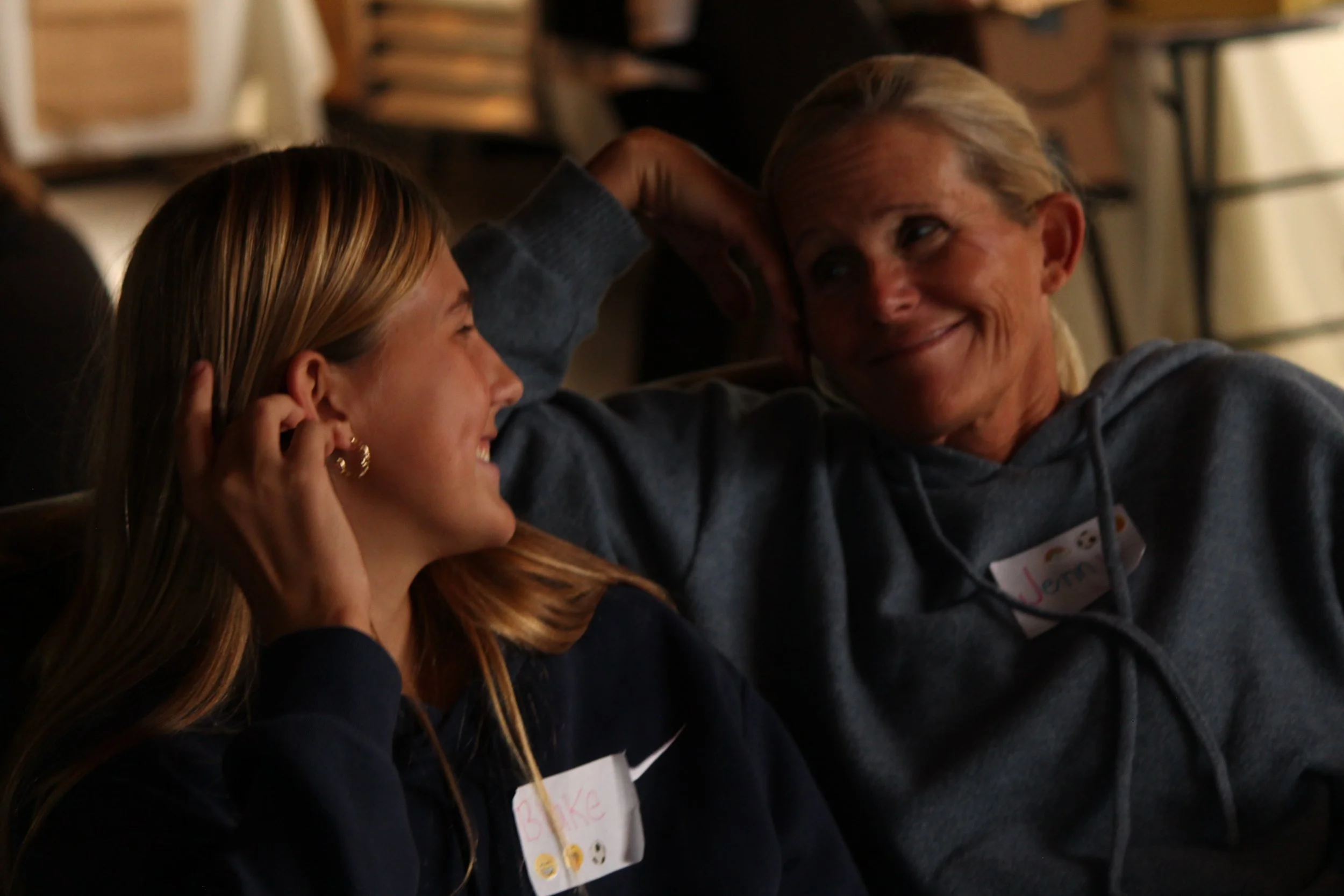
If you are looking to spend a day connecting with your teenage daughter, come join us at our Mother + Daughter Retreats. This is a one-day experience expertly designed to strengthen communication, carefully crafted to deepen trust, and built to become a lifelong memory.
Yours In Service,
Christina King, LMFT 145704
Citations:
Cappella, E., & Weinstein, R. (2006). The prevention of social aggression among girls. Social Development, 15(3), 434-462.